“Compliance is not access”
Media Transformation Summit: Laura Brady on why accessible publishing depends on culture, workflows and making accessibility everyone's job
A book can meet every accessibility standard and still offer a poor reading experience. For Laura Brady, that gap between technical compliance and genuine access is where many publishers continue to stumble.
Published: 17.9.2026 | Photo / video: Magnific
An accessible publishing expert with more than 25 years of experience in trade publishing, Brady has spent the past 15 years working in digital publishing, creating and converting ebooks, training publishers and helping organizations develop more inclusive workflows.
On September 29, Brady will join Dr Agata Mrva-Montoya at the fourth Media Transformation Summit, a free online event by Publishing Signal, powered by knk. Their session, Compliance Isn't Accessibility: Why Culture, Not Technology, Is the Real Barrier, will examine why accessibility has to begin earlier in the publishing process, and why lasting change depends on much more than passing a technical check.
The Summit runs from 9 AM to 1 PM ET and brings together eight sessions on AI, readers, discovery, accessibility, audio and publishing technology.
Ahead of the event, Brady spoke about the difference between compliance and usability, her concept of “360° Accessibility,” and why some of the most effective changes may happen without publishers even noticing them.
Media Transformation Summit – register free
Eight focused conversations on editorial AI, reader markets, trust, accessibility, discovery, audio and the technology priorities publishers are actually acting on. Less hype, more useful detail.
Publishers are becoming increasingly familiar with accessibility standards and automated checks. However, as your session will discuss, passing a technical check does not necessarily mean a book is genuinely usable. In your experience, where do publishers most often confuse compliance with true accessibility?
Laura: There is a substantive difference between meeting standards and crafting a good, accessible reading experience. Compliance does not mean access.
Conforming to a checklist of standards is great and important — it’s measurable, easy to report on and easy to delegate responsibility for. But creating a thoughtful, well-rounded accessible reading experience is more complex and nuanced.
An organizational culture focused on accessible outcomes means thinking about reading systems, workflow tools and cultivating an ongoing understanding of the issues that can affect accessibility.
“Accessibility has to be part of everyone’s job”
Accessibility is still often treated as something to be fixed at the end of production. If publishers were to rethink the workflow from the beginning, at what stage should accessibility decisions actually start—and which early editorial choices have the biggest impact later on?
Laura: I've long advocated for something I call 360° Accessibility—that is, a corporate culture that centers accessibility as part of everyone's job.
It's all well and good to designate an accessibility lead, but that work becomes siloed if it's not baked into everyone's remit in a publishing house.
Writers understand the need for structure and image descriptions; editors pay attention to emphasis and language shifts while working; sales and marketing teams tout the accessible features of their lists and seek opportunities to highlight them in the supply chain through things like accessibility metadata. And customer service is trained to respond capably to accessibility inquiries, for example.
“Publishers are creating more accessible ebooks without realizing it”
You have spent years training publishers to build more accessible workflows. What tends to be harder to change: the technology itself, or the assumptions people bring to the publishing process? And what have you seen actually work when trying to make accessibility part of everyday publishing culture rather than the responsibility of one specialist?
Laura: Both! I have worked with an expert group to drive change in how Adobe InDesign creates EPUBs, for example, and while that work is bearing fruit, it has involved four and a half years of endless meetings.
In a way, the work to influence how InDesign exports EPUB is my sneakiest work to date, because publishers are generally creating more accessible ebooks without realizing it.
But one of the more difficult reasons publishers trip up is simply time and bandwidth. For many smaller publishers, every employee is wearing several different hats, so developing a deep — or even moderate — knowledge of accessibility best practices can be difficult when people are already rushing around doing the work of two or three people.
If there's one idea you hope people take away from your session, what would it be?
Laura: That accessibility is a culture that needs to be worked on continuously.
It's not a checklist or a one-and-done situation. Accessibility is ongoing work that a publisher needs to foster in order to be sustainable.
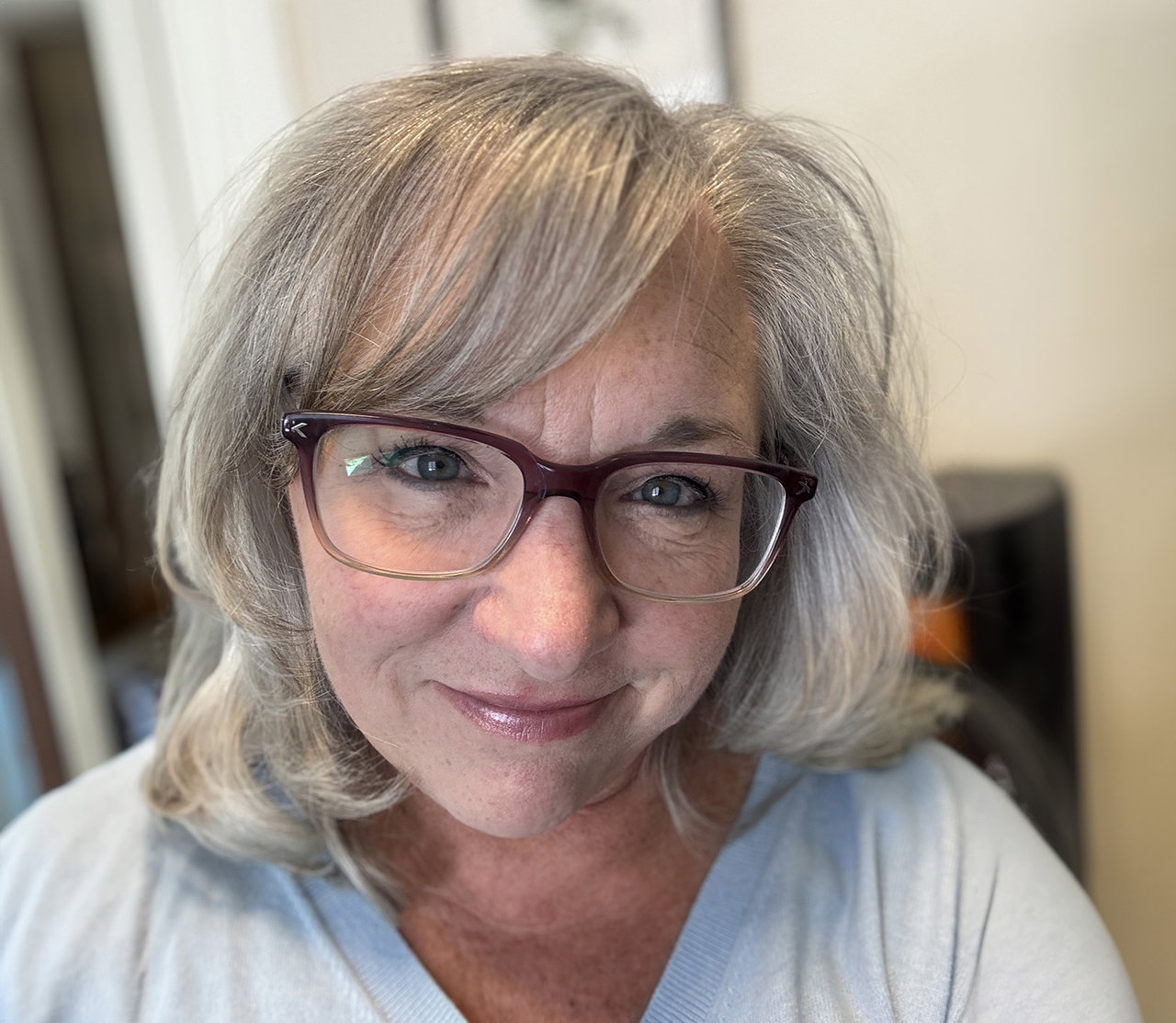
Laura Brady is an accessible publishing expert who works with eBOUND Canada, the Accessible Books Consortium, the International Publishers Association and Adobe, among other organizations. She has more than 25 years of trade publishing experience and has spent the past fifteen years working in digital publishing, creating and converting ebooks, training publishers on accessible workflows, and consulting with organizations on inclusive publishing and reader experience. She teaches about ebooks, publishing and accessibility at Simon Fraser University and Toronto Metropolitan University.