“The readers are there. The route may not be!”
Media Transformation Summit: Sandra Tamele and Layal Al-Rustom
At the Media Transformation Summit, both speakers brought perspectives from Mozambique and Egypt to the Media Transformation Summit, showing how publishers can create readers, markets and new routes to books

Published: 6.10.2026 | Photo / Video: MTS
What if weak book sales do not mean there are too few readers, but that price, distribution, language or format are keeping those readers away?
That question shaped Growing the Pie: New Readers, New Markets, New Models, one of the sessions at the fourth Media Transformation Summit, on September 29. The Publishing Signal event, powered by knk, featured sessions on AI, readers, discovery, accessibility, audio and publishing technology, with an international audience.
The panel brought together two very different publishing environments. Sandra Tamele, founder of Mozambique’s Editora Trinta Zero Nove and president of the Mozambican Publishers and Booksellers Association (AMEL), has built publishing, bookselling and reading initiatives in a market where access remains a fundamental challenge. Layal Al-Rustom, CEO and co-founder of Egypt’s Diwan Publishing and a board member of Diwan Bookstores, approaches the same question from both the publishing and retail sides.
Despite those differences, their experiences pointed to a common idea: growing the market often means changing the route to the reader rather than simply producing more books.
"We don't have the boldness of the players in the market"
Sandra Tamele came to publishing from architecture, without what she jokingly called a blueprint. Years later, after working as a translator, publisher, bookseller and advocate for the Mozambican book sector, that experience has taught her to be suspicious of easy explanations for why a market appears small.
In Mozambique, she argued, the readers themselves are not the problem. “We don't have missing readers in Mozambique”, she said. “What happens is we don't have quite the infrastructure or the boldness of the players in the market.” With a population of roughly 35 million, she pointed out, the country has only around 60 publishers and 14 bookstores.
That has pushed her to experiment with languages, formats and access models rather than accept the limits of the existing system. One example is Livroteca, opened in Marracuene, around 26 kilometres from Maputo. The hybrid bookshop and free reading space serves a community that previously had no public library — and now attracts around 70 children every week.
“My business model is inclusion”, Tamele explained. “The impact that we get here is long term when we get this young person believing that they have the access.”
Best-of-video of the Media Transformation Summit. Watch all sessions here
Making old books new to new readers
In Egypt, Diwan’s path into publishing began from the opposite direction: it already had readers.
Al-Rustom described how Diwan Bookstores gradually became more than a retail space. Customers met authors there, exchanged recommendations and eventually began asking when Diwan itself would publish books. That relationship helped lead to the creation of Diwan Publishing in 2022, with the acquisition of the rights to the work of Nobel laureate Naguib Mahfouz as its first major project.
The challenge was not simply to put another edition of Mahfouz into bookstores. His books had been available for decades, including in older, pirated and digital editions. Diwan instead asked what it could offer a new generation of readers.
“In order to make the new generation read, they must be part of the journey”, Al-Rustom explained. “You cannot tell them or give them your advice. You must listen to their needs and their imagination, their creativity.”
That approach included new visual identities created by younger artists, book clubs and events designed to make the books part of a wider cultural experience. More broadly, Al-Rustom said Diwan wants books to be seen not simply as academic or intellectual objects but as part of everyday life.
“It’s part of your life”, she said. “It is in your home, it is in your living room, it is in your bedroom.”
Different formats, different doors
Both speakers also challenged the idea that reaching new readers means simply selling the same book to more people. In Mozambique, Tamele has been experimenting with audiobooks and different languages as a response to affordability, literacy and connectivity constraints. “We have to think about everything that needs to work offline and at a very, very, very low cost for our user, our reader”, she explained.
Al-Rustom described a similar logic from another angle. Diwan is exploring graphic novels, ebooks and audiobooks as ways of bringing stories to audiences who may not enter through a conventional print edition. “The transformation or making reading more accessible and in different formats is also important”, she said, pointing to plans to adapt Arabic novels into graphic novels and eventually translate them for international readers.
Changing the infrastructure, not just the marketing
The final part of the conversation brought the two approaches particularly close together. Asked what publishers could experiment with in the next few months to reach people currently outside their audience, both speakers focused on changing access rather than simply increasing promotion.
Al-Rustom pointed to school book fairs, collaborations, co-publishing and local printing as practical ways to reduce costs and bring books closer to readers. Diwan, for example, participates in more than 30 school fairs annually and has worked with international publishers on local editions to avoid shipping costs and make pricing more competitive.
Tamele suggested starting with a single title. “Choose a book, identify the people who should be reading it and aren't,” she advised. “That way you can identify the barrier and then you can try and change one element in the system.”
For her, the important distinction is that this is not necessarily a marketing problem. “We do have more control than what we think,” Tamele said. “We control the what, we control the language, we control the format, we can control the price, the place, the partnerships, the community.”
That may be the simplest definition of “growing the pie” that emerged from the session: looking beyond the people who already buy books and asking who remains outside the current model — and why.
“In my market, we are not missing readers,” Tamele concluded. “We are missing the door for them to come over.”
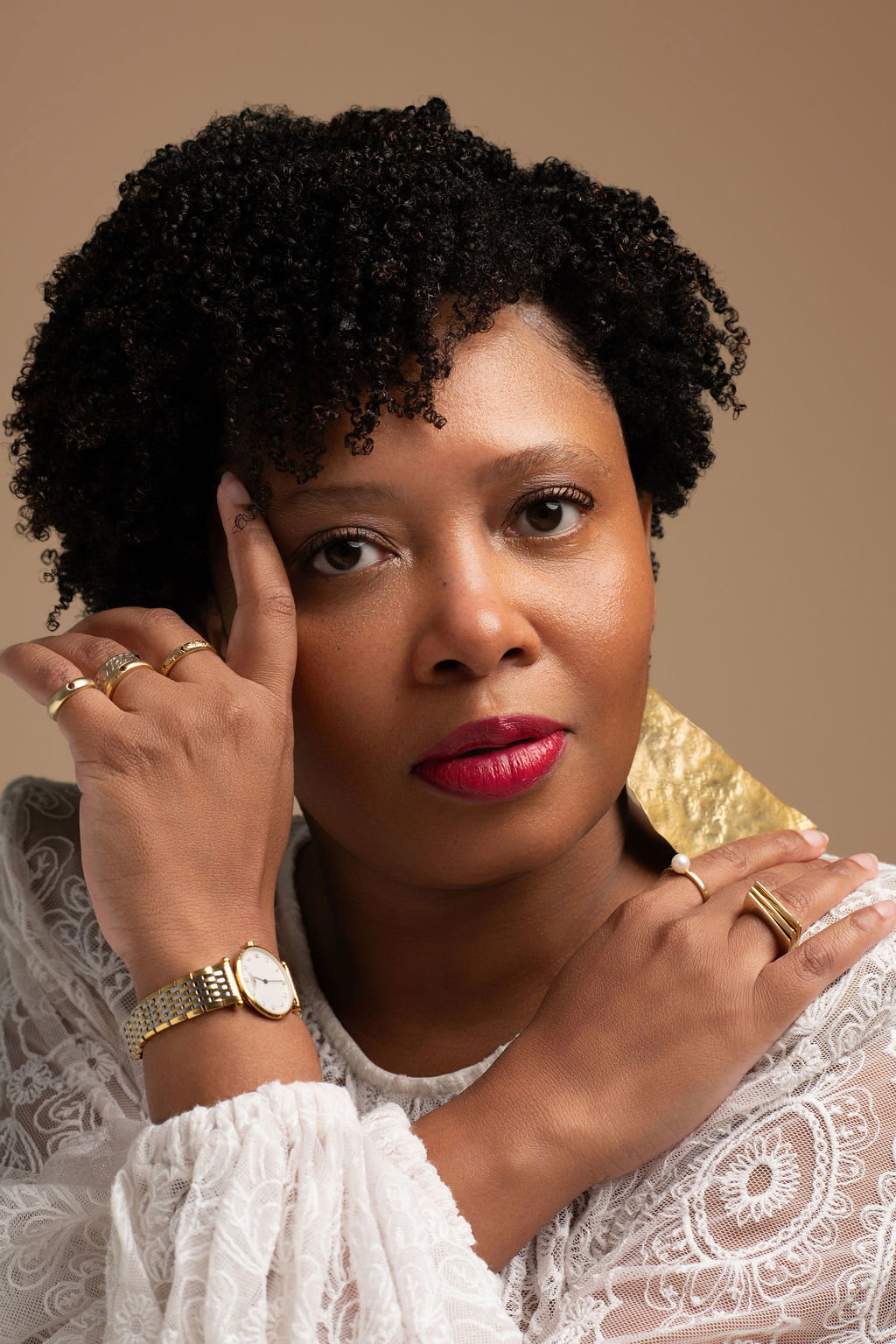
Sandra Tamele (BArch, MCIL) is an award-winning publisher, literary translator, bookseller, speaker and moderator. She is recognized as the first Black woman to own an independent publishing house in the PALOP countries. She serves as President of the Mozambican Publishers and Booksellers Association (AMEL), is a member of the International Committee of Independent Publishers, and serves on the advisory boards of PublisHer and the African Books Collective. Sandra has translated more than 50 titles and has received several accolades, including the London Book Fair International Excellence Award for Literary Translation Initiatives, the Bologna BOP Children’s Publisher of the Year Award, a PEN Translates Award and a Looren Excellence Grant. She has also been longlisted for the Dublin Literary Award.
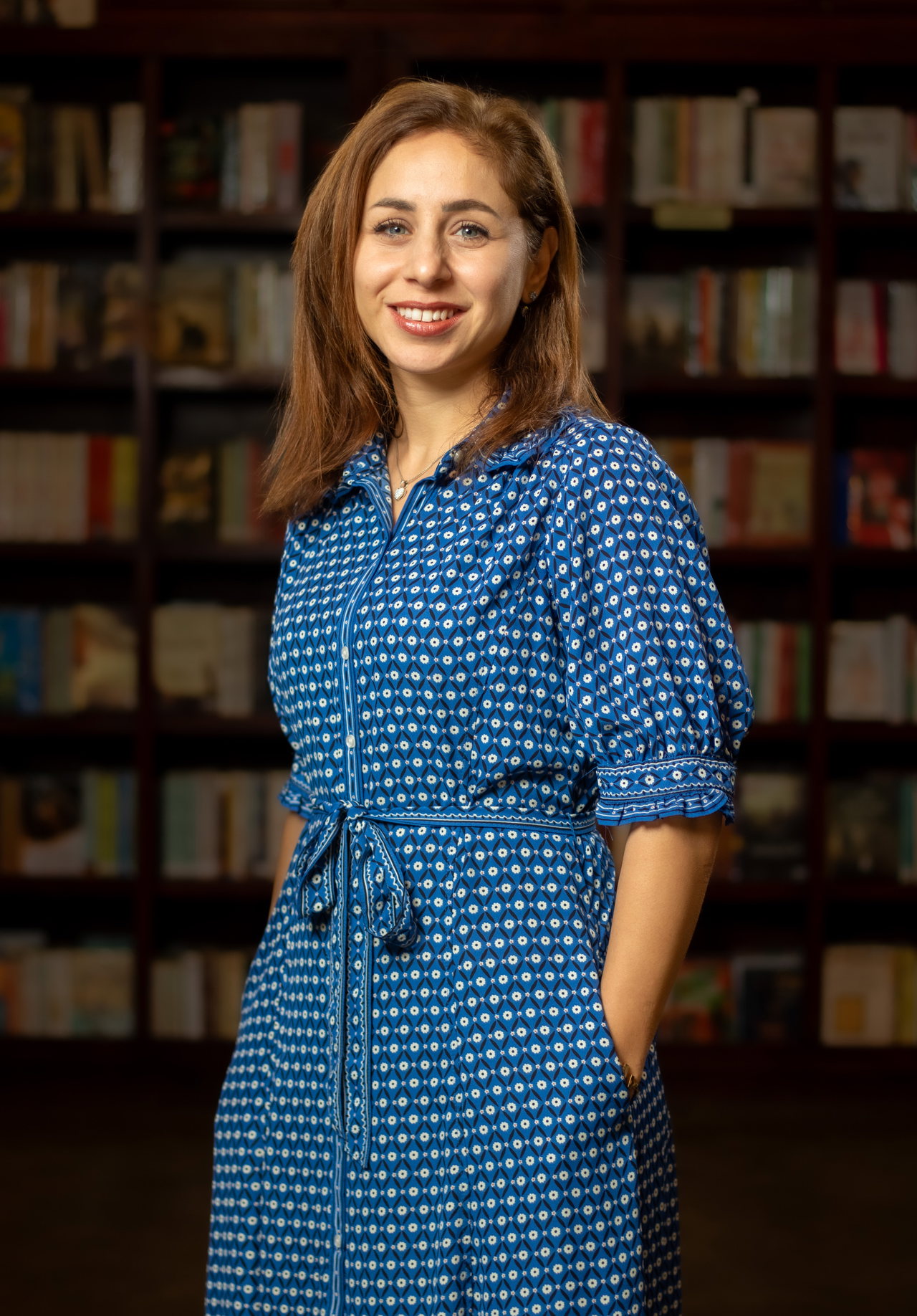
Layal Al-Rustom is the CEO and co-founder of Diwan Publishing and a board member of Diwan Bookstores. Since co-founding Diwan Publishing, she has played a central role in building its list and shaping its vision as an independent Arab publishing house committed to bringing distinctive voices and stories to readers across the region and beyond. Layal holds a combined honours degree in Contemporary Studies and Mathematics from the University of King’s College in Canada. Her longstanding interest in culture and communication also includes three years as host of Radio Egypt, an Arabic-language program on CKDU in Halifax, Nova Scotia.